logo

Putins carfactory

  • Inside Putin’s Russia (2015) In 2015, as Russia grappled with economic sanctions, international isolation and a deepening confrontation with the West following the annexation of Crimea, Swedish executive Bo Andersson was leading one of the country’s most strategic industrial companies. At the vast AvtoVAZ factory in the city of Tolyatti, home of the iconic Lada, Andersson had been tasked with transforming a struggling Soviet-era manufacturer into a modern, competitive business. Backed by the Kremlin and operating at the intersection of politics, power and industry, he sought to dismantle corruption, impose discipline and reshape a company long defined by inefficiency. This photo essay follows a rare outsider navigating the inner workings of Putin’s Russia at a pivotal moment in the country’s modern history—revealing a world where industry, political influence and personal loyalty were inseparable.
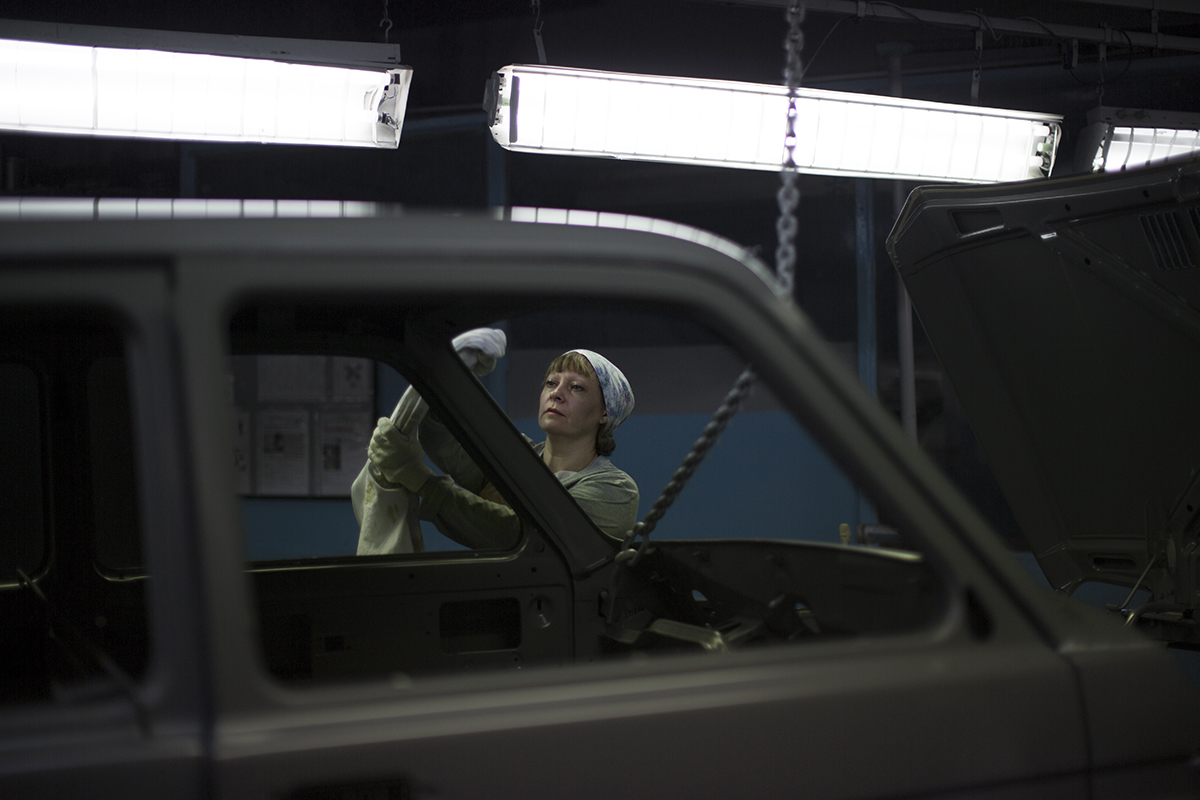
  • Natalia Arkadievna Stepanova, 39, has worked at the AvtoVAZ factory for ten years. Employed in the paint shop, she helps finish the iconic Lada Niva—one of Russia’s longest-running vehicle models, first introduced in 1977 and still in production. In a factory undergoing sweeping reforms under Swedish CEO Bo Andersson, Stepanova reflects simply on her work: “I’m very happy to have this job.”
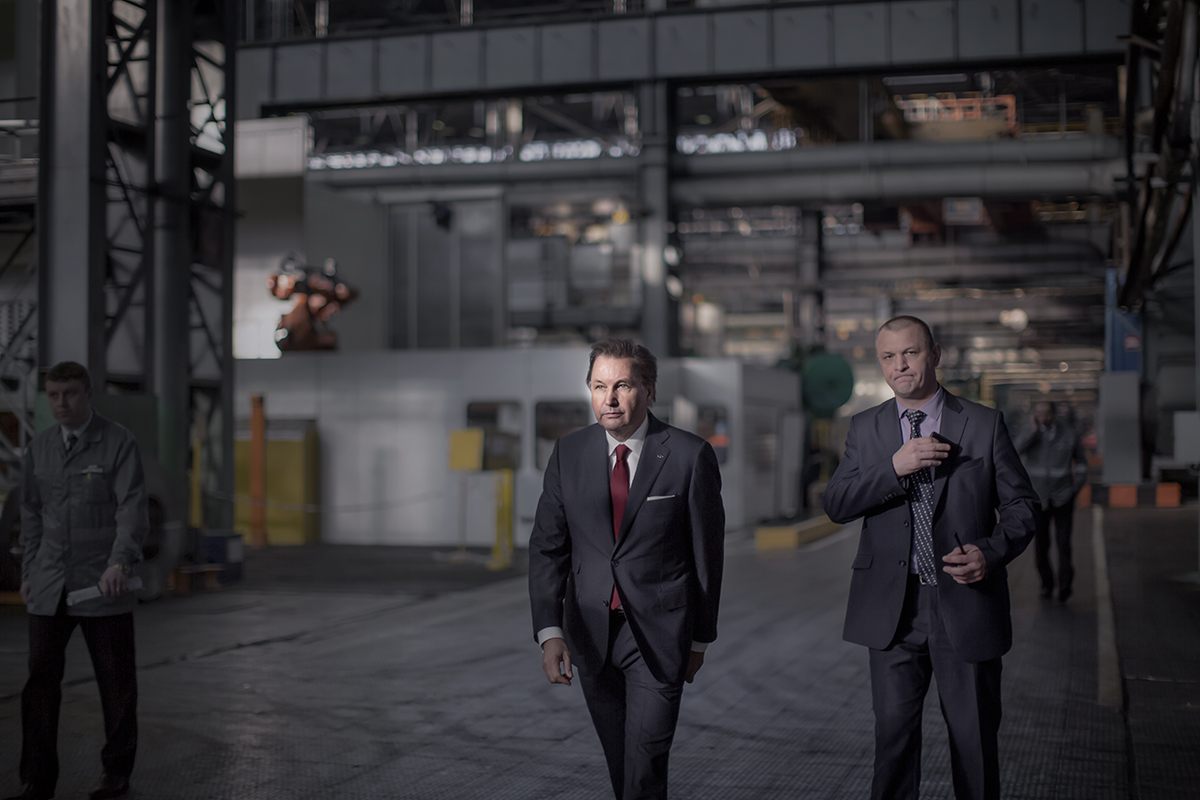
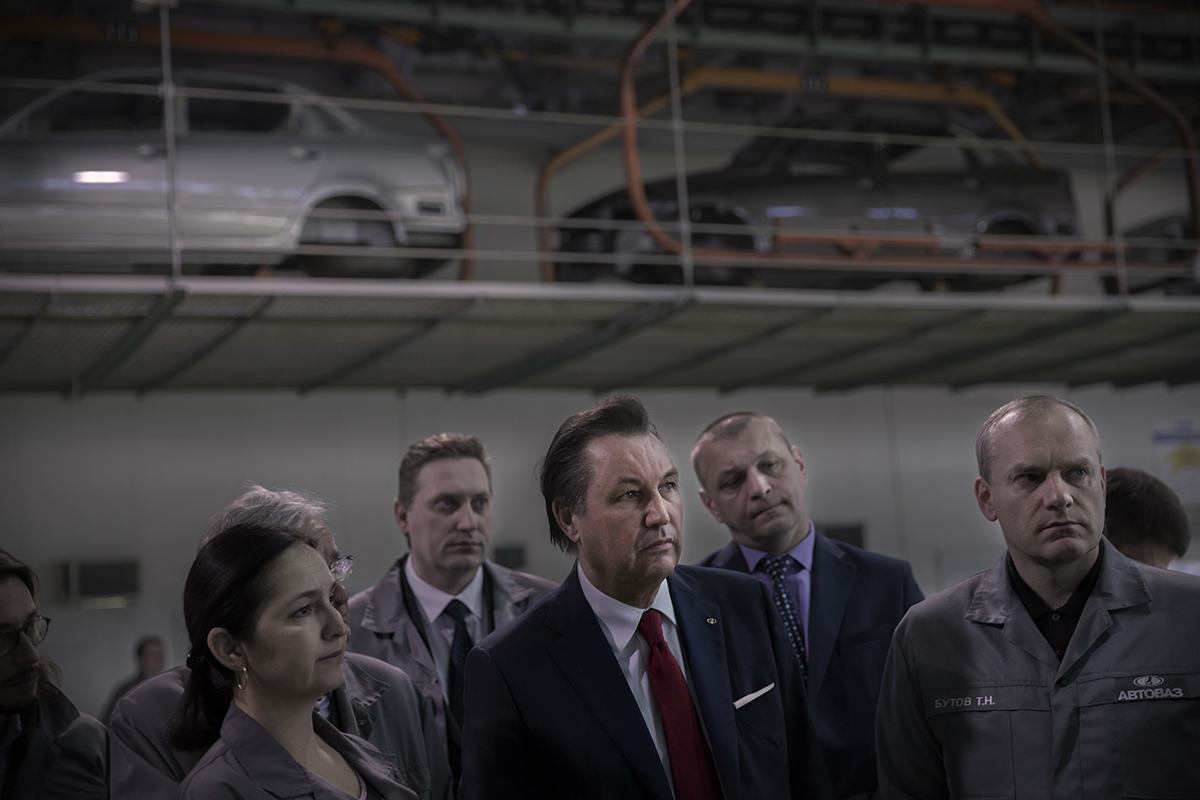
  • AvtoVAZ CEO Bo Andersson strides across the factory floor during one of his daily inspections, his personal bodyguard never more than a step behind. As he pushed to overhaul Russia’s largest car manufacturer, Andersson maintained a relentless pace—moving from one production line to the next, questioning managers, demanding answers and driving a culture of accountability inside one of the country’s most strategically important industrial enterprises.
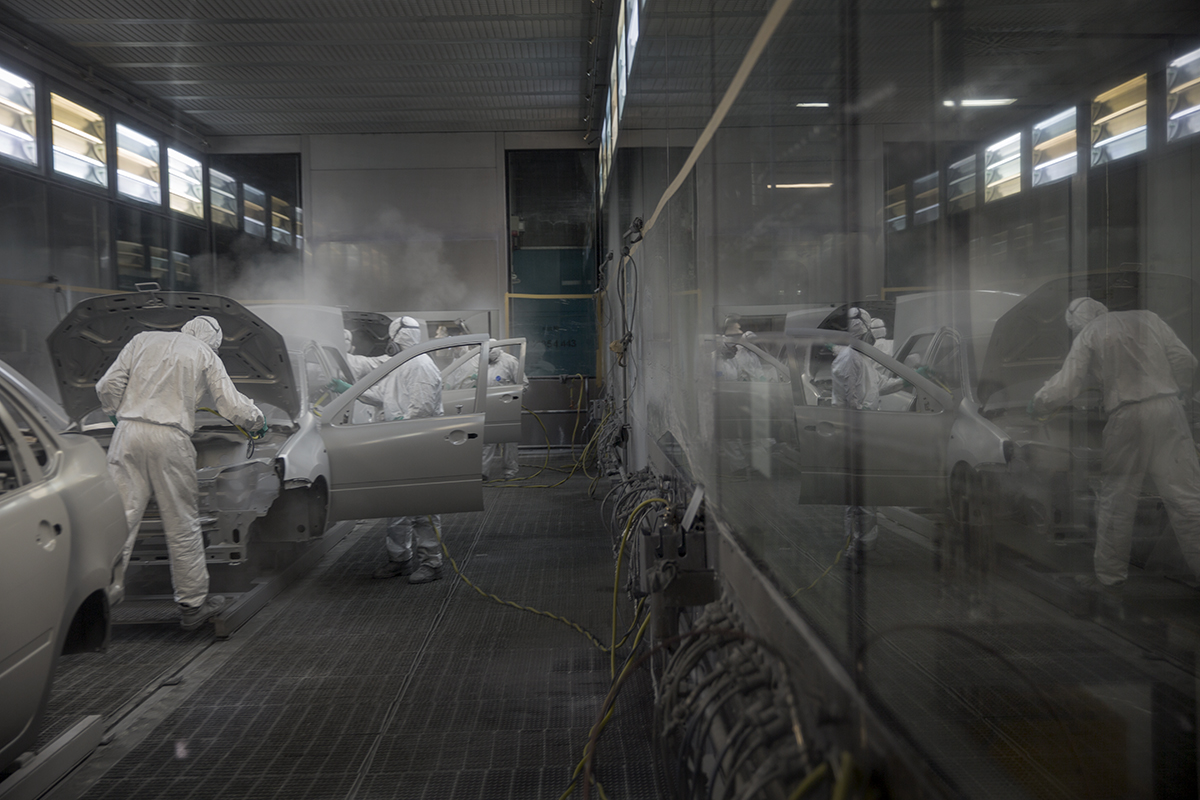
  • A worker spray-paints a Lada body shell on the production line at the AvtoVAZ factory. Working eight-hour shifts, six days a week, employees formed the backbone of Russia’s largest car manufacturer as it underwent a transformation from a Soviet-era industrial giant into a modern automotive company.
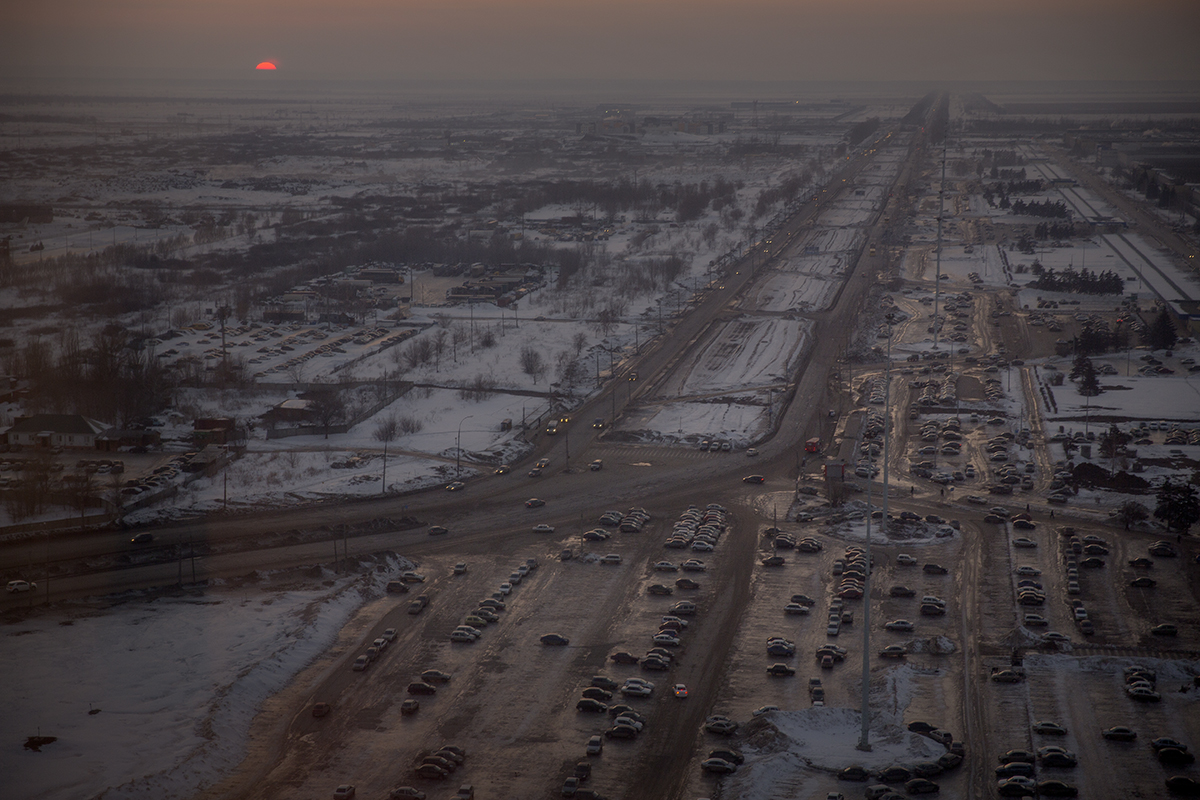
  • View of Tolyatti, the industrial city on the banks of the Volga River that grew around AvtoVAZ, Russia’s largest car manufacturer and one of the country’s most strategically important industrial enterprises. Built during the Soviet era around the production of the iconic Lada, the city remains deeply intertwined with the fortunes of the vast automotive plant, which employs tens of thousands of people and dominates both the skyline and the local economy.
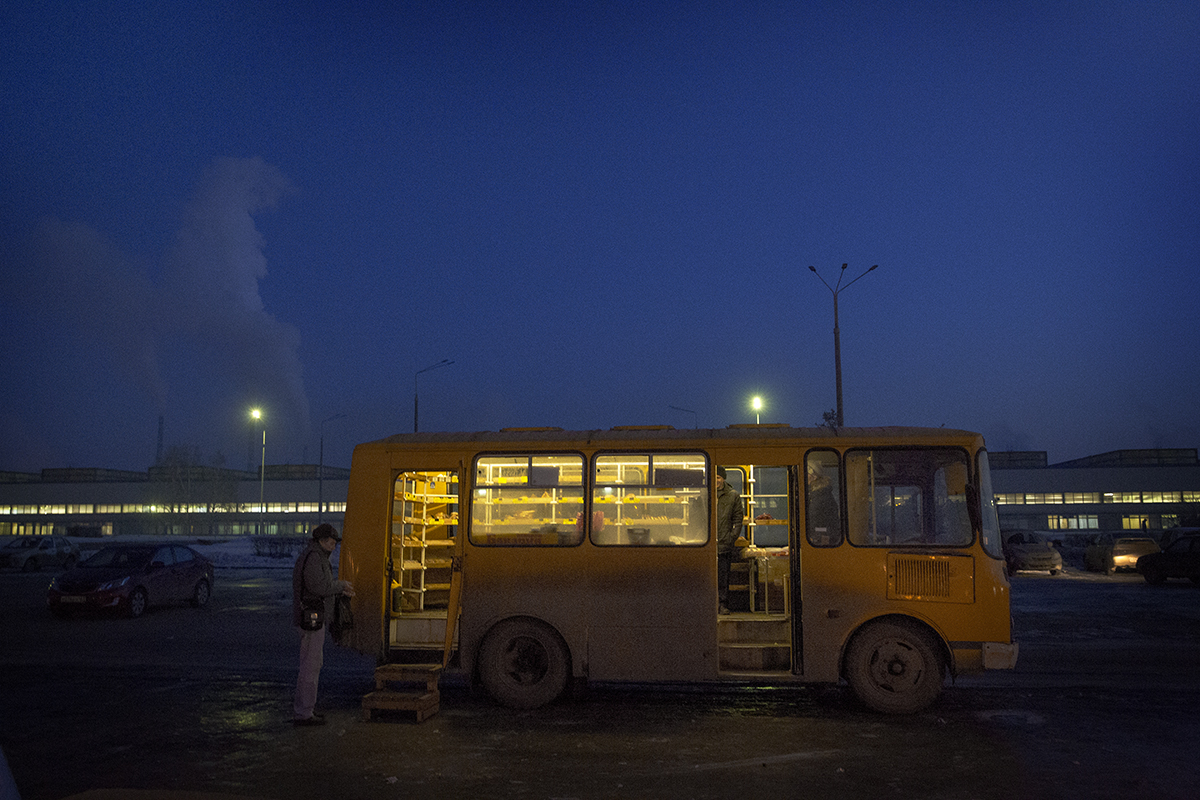
  • It is 6:30 a.m. and the first shift is about to begin. In temperatures of –18°C (0°F), workers stop at a small kiosk outside the AvtoVAZ factory to buy pirozhki before heading to the production lines. For tens of thousands of employees, the daily routine begins long before sunrise at one of Russia’s largest industrial workplaces.
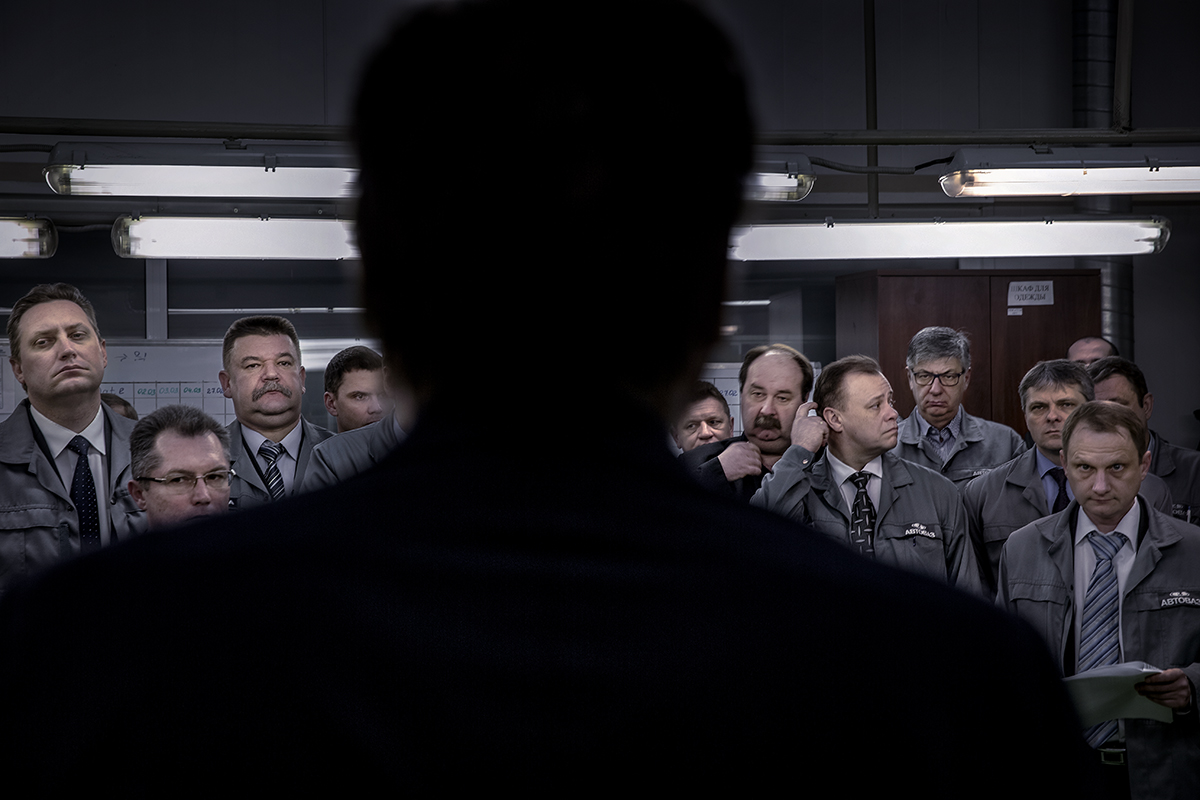
  • AvtoVAZ CEO Bo Andersson explains the company’s new performance scorecard system to employees. Introduced as part of a sweeping modernization program, the scorecards measured productivity, quality and individual performance—replacing the opaque management culture of the Soviet era with greater accountability and measurable results.
  • “Sometimes working here feels like swimming through mud,” says AvtoVAZ CEO Bo Andersson. Rarely found behind his desk, he preferred to spend his days on the factory floor, meeting employees and solving problems in real time. Here, Andersson meets with the mayor of Tolyatti, who is seeking financial support from AvtoVAZ for a public event honoring the city’s veterans, including many retired factory workers.
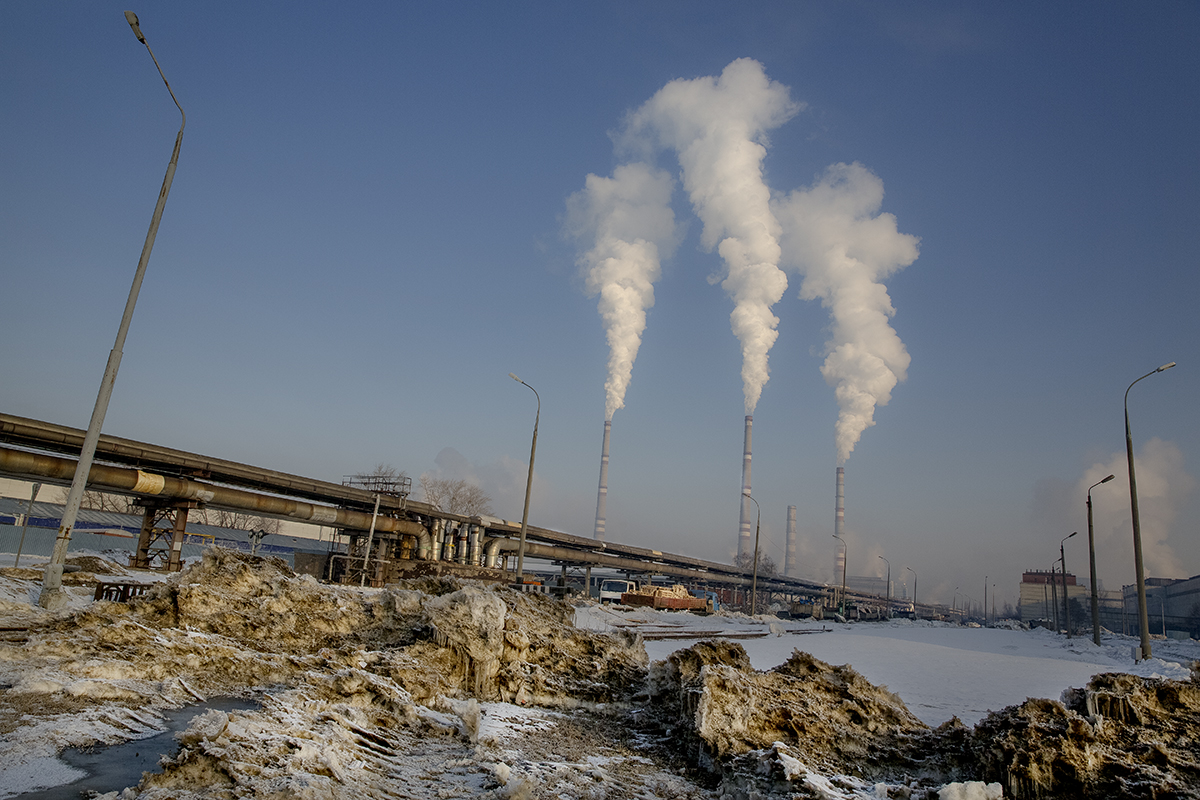
  • The vast AvtoVAZ complex dominates Tolyatti—both visually and economically. Built during the Soviet era as a company town, the city’s identity has long been inseparable from Russia’s largest car manufacturer, whose sprawling factory employs tens of thousands of people and remains the region’s principal source of jobs and industry.
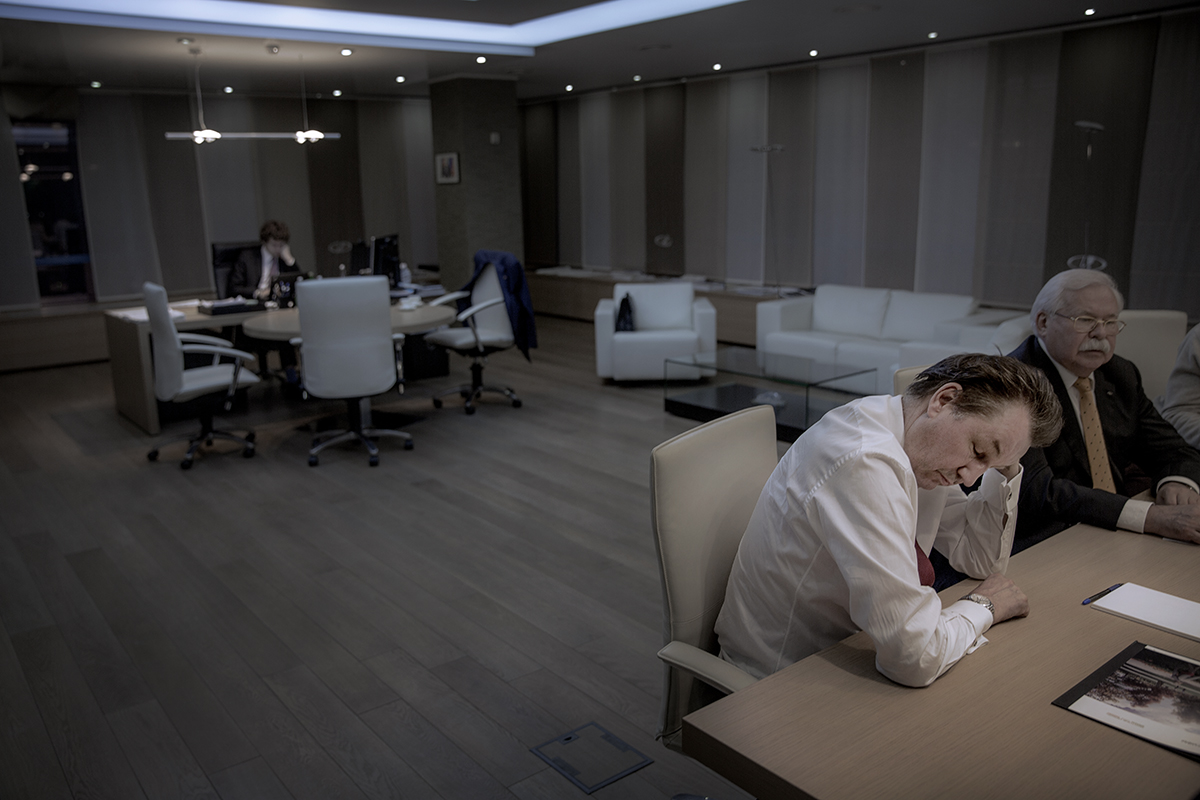
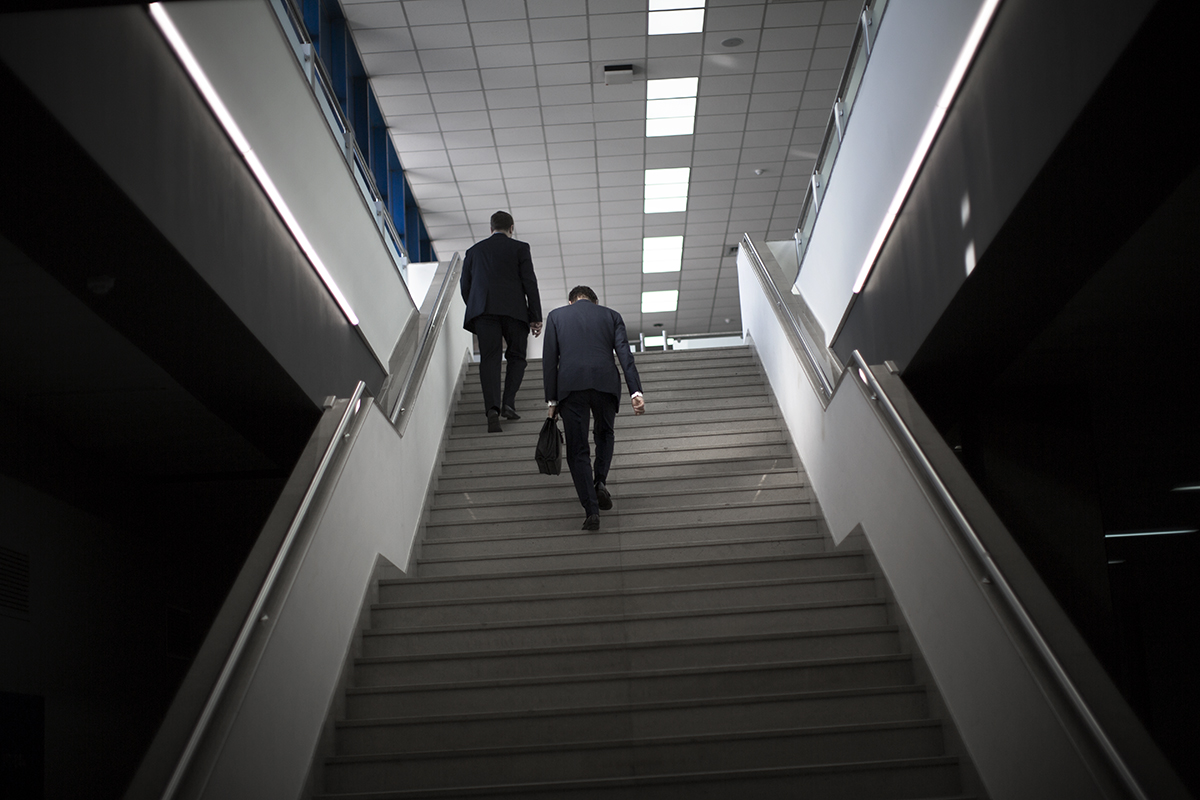
  • AvtoVAZ CEO Bo Andersson walks to a meeting with the factory’s trade union representatives. After introducing sweeping reforms—including layoffs, new performance targets and stricter management practices—winning the trust of employees had become as important as restructuring the company itself.
  • Every morning before the first shift begins, AvtoVAZ CEO Bo Andersson walks the factory floor to review the previous day’s production. Managers report on output, quality, delays and shortages in fast-paced meetings designed to identify problems immediately and reinforce a culture of accountability throughout Russia’s largest car manufacturing plant.
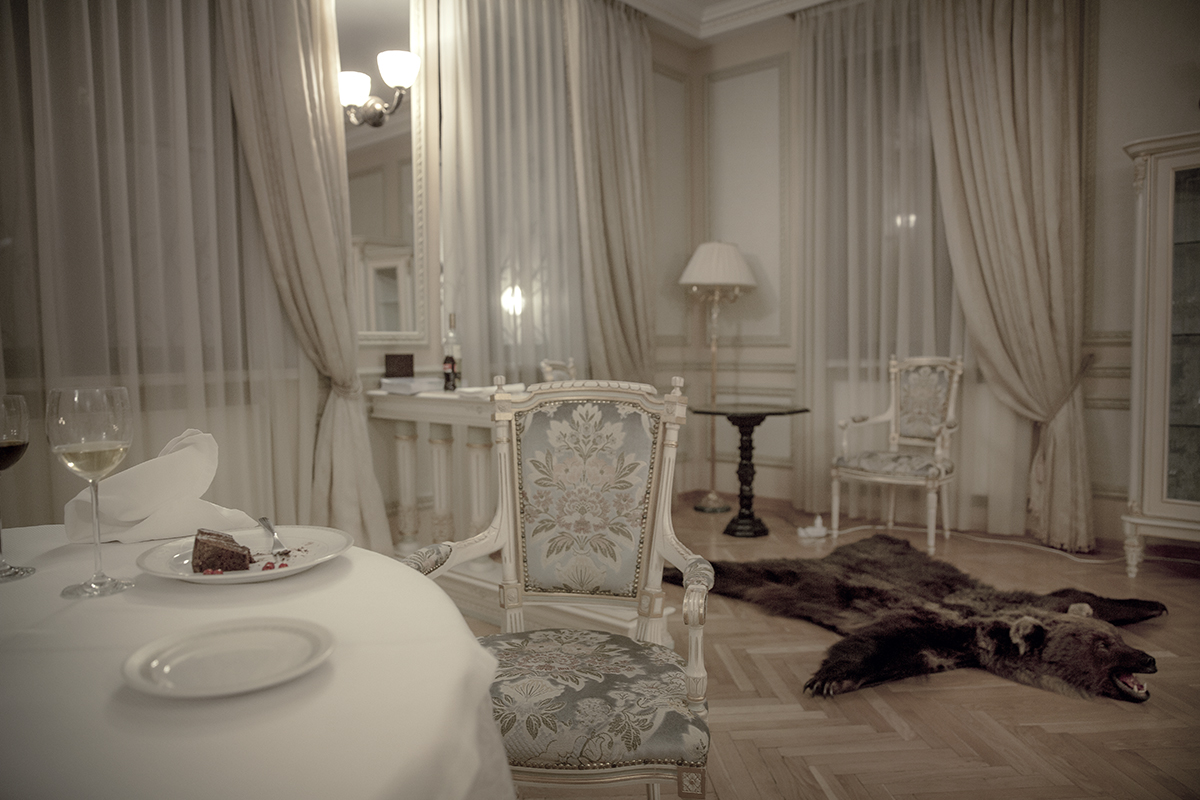
  • “They call me the Swede fighting his own Battle of Poltava—a Swede looking for revenge,” Bo Andersson says with a smile during dinner at his residence in Tolyatti. The remark refers to the decisive 1709 battle in which Russia defeated Sweden, a historical touchstone that still resonates in both countries. Living in a house provided by the state-owned conglomerate Rostec while leading AvtoVAZ, Andersson often used humor to navigate the cultural and historical tensions surrounding his unusual role as a Swedish executive at the heart of Russian industry.
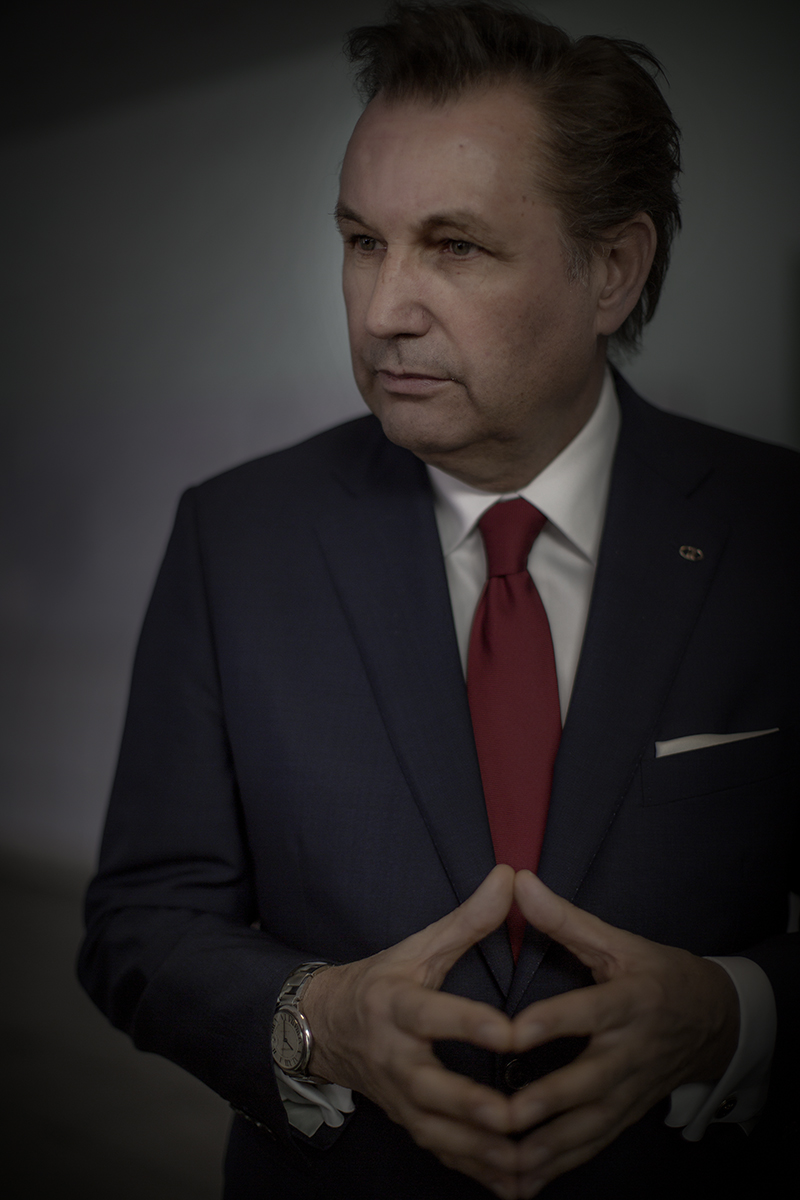
  • Bo Andersson, CEO, AvtoVAZ 2015 Epilogue More than one decade later, AvtoVAZ remains Russia’s largest car manufacturer, but the global ambitions that shaped the company during Bo Andersson’s leadership have largely disappeared. After Renault withdrew from Russia following the full-scale invasion of Ukraine in 2022, the company returned under Russian state control. Once positioned as a bridge between Russian industry and the global automotive market, AvtoVAZ now operates in a far more isolated environment, shaped by sanctions, geopolitical tensions and a changing industrial landscape. The factory survived. The Lada brand survived. But the future Bo Andersson fought to create took a different path.